
Email marketing is one of the simplest and most cost-effective tools in your digital marketing arsenal.
Recently, I was speaking to a well-established B2B SME, and I was surprised to learn they didn’t have an email marketing program in place. This prompted me to explore why email marketing is such a valuable channel for businesses like theirs—and yours.
What is Email Marketing?
Email marketing is a digital channel where businesses use emails to stay connected with customers, promote products or services, and build stronger relationships. Whether it’s for promoting a sale, sharing valuable content, or nurturing long-term customer loyalty, email marketing serves multiple purposes in a business’s growth.
What are the Benefits of Email Marketing?
Email marketing allows you to engage with customers and potential customers at an ultra-low cost, making it affordable for any business, big or small. On average, for every £1 spent, email marketing generates an ROI of £42—proving its cost-effectiveness.
It\’s also one of the easiest ways to stay connected with your current customers. Retaining a customer is always cheaper and easier than acquiring a new one, and email marketing helps with retention by encouraging repeat orders.
It also helps with potential customers who may have shown interest but haven\’t yet converted into buyers. Whether they’ve browsed your site, downloaded content, or submitted an enquiry, a well-structured email campaign can turn prospects into loyal customers.
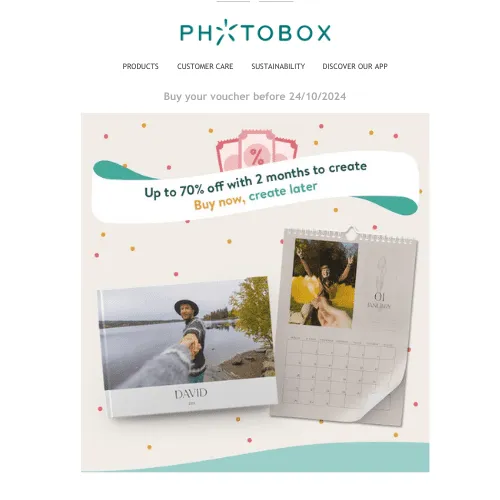
Newsletters
When you think of email marketing, newsletters might come to mind first. They’re the regular emails you receive from businesses offering promotions or updates. While some newsletters may feel like inbox clutter, others are eagerly anticipated for their special offers or valuable insights. The key is providing content that your audience wants to see.
Customer Journey Emails
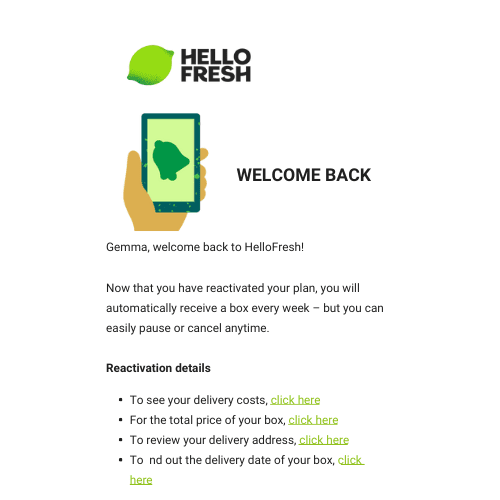
Customer journey emails target people at different stages of their interaction with your business. For instance, a new subscriber receives a welcome email, or a customer gets an order confirmation right after making a purchase. These emails nurture your relationship with customers at the right moment, increasing trust and engagement.
How to Grow Your Email List
Start by ensuring your website has easy ways for users to subscribe. To collect data legally, ask for their permission through an opt-in checkbox with access to your privacy policy.
Here are some ideal spots on your website to add a subscribe button:
- At account creation
- In the shopping cart
- On the enquiry form
Other ways to build your list include:
- Adding a link to your email footer
- Offering downloadable content (e.g., eBooks, guides)
- Using an exit pop-up
- Placing a subscription box in your site’s footer
The Importance of Personalising Your Marketing Emails
The more relevant your emails are, the more likely recipients are to engage. Personalisation can be as simple as using a first name or as specific as tailoring offers based on past purchases.
- First name
- Location
- Previous purchases
- Where the customer is in their buying journey
This ensures your emails feel more like a tailored message rather than a blanket marketing blast.
Email Segmentation
Segmenting your audience allows you to send more targeted messages. For example, you might send one type of email to repeat customers and another to those who have only visited your site. You can also segment by purchase history, location, or customer value. Segmentation improves engagement and drives better results.
Automation and Workflows
Email automation saves you time by allowing emails to be sent automatically based on triggers such as signing up for a newsletter or completing a purchase. This means you can set up emails in advance, and they’ll work in the background, engaging your customers at the right moments without constant manual effort.
Metrics and Tracking Success
Once your emails are set up, tracking their performance is essential. Most Email Service Providers (ESPs) offer in-depth analytics to help you assess how well your emails are doing. Key metrics to monitor include:
- Delivery rate: This measures how many emails reach your subscribers’ inboxes. A good delivery rate is in the high 90s. A low rate could indicate issues with your email list quality or content.
- Open rate: The percentage of emails opened out of those delivered. This gives insight into how compelling your subject lines are.
- Click-through rate (CTR): Of the emails opened, how many people clicked on a link within the email? This helps you gauge whether your content is engaging.
- Unsubscribe rate: If many people are opting out, it may mean your emails aren’t resonating or you’re sending too many.
Compliance with Email Regulations
Make sure you’re compliant with data protection regulations like GDPR and CAN-SPAM. This includes getting explicit consent before adding people to your list and offering a clear way for them to unsubscribe. Gathering, storing, and using customer data improperly can result in hefty fines or even get your domain blacklisted, which would damage your ability to communicate with customers.
Sending from a Bulk Email Provider
It can be tempting to send mass emails through your regular email account, but this is risky. Emails sent this way could be flagged as spam, damaging your domain and business reputation. Instead, use an Email Service Provider (ESP), which offers bulk sending features, templates, and compliance tools. There are even free options available for smaller businesses.
Do you already have an email program set up? Would like to find out how you can improve its performance, take a look at this article Reviewing Your Email Performance.
If you feel your email list isn’t working hard enough for you or you simply do not have enough hours in the day to focus your time on your email but would like some help or advice, get in touch to discuss how I can help you.