
Pay-Per-Click (PPC) advertising is widely regarded as an effective way to drive traffic to your website. Google often touts PPC as simple to use and capable of delivering excellent returns on investment. But is it truly the right choice for your startup?
The answer depends on various factors. When set up correctly and used in the right market with the right products or service in the right location, PPC can provide great results for your business. However, start-ups typically operate on tight budgets, and allocating resources wisely is critical. This article explores whether PPC is the right strategy for your start-up and highlights key factors to consider.
What is PPC?
PPC, or pay-per-click advertising, is a model where businesses pay a fee each time a user clicks on their ad. These ads often appear at the top, bottom, or sides of search engine results pages (SERPs). Businesses bid on specific search terms, and the placement of their ads depends on the competitiveness of those terms and their bid amount.
One significant advantage of PPC is that you only pay for clicks—there are no additional charges from Google for example set up fees. However, if you choose to work with an agency to manage your campaigns, they will charge a monthly retainer. Below is an example of how PPC ads appear in search results.

Key Factors to Consider Before Investing in PPC
Market Competitiveness
If your business operates in a highly competitive market, the cost-per-click (CPC) for your targeted keywords may be prohibitively expensive. In such cases, your budget might not stretch far enough to deliver meaningful results. For start-ups in competitive markets, exploring alternative marketing strategies could be a wiser investment.
Brand Name Confusion
Startups with names that could easily be confused with other brands or unrelated search terms might struggle to rank in organic search results. In such instances, running a PPC campaign specifically targeting your brand name ensures visibility to users actively searching for you.
Geographical Targeting
Do you offer local or national services? If your business serves a local area, targeting your PPC ads to specific locations can deliver better results at a lower CPC. For example, tradespeople like builders can focus their ads on areas they’re willing to serve, ensuring the budget is spent on the most relevant audience.
Marketing Budget
Budget size plays a significant role in the success of your PPC campaigns. To optimise your ads and see meaningful results, you need sufficient data to analyse performance and make adjustments. While some agencies charge upwards of £550 per month to manage PPC campaigns, it’s possible to run them yourself with the right knowledge. Keep in mind that a small budget may limit your ability to gather the insights needed for continuous improvement.
Strength of Your Offering
The success of your PPC campaigns depends on the quality and competitiveness of your products or services. Weak offerings or poor pricing strategies can hinder your campaigns, leading to low conversion rates and wasted budget. Ensure your business is presenting a compelling value proposition before diving into PPC.
Website Performance
Your website’s performance is a crucial factor in PPC success. A slow, poorly designed, or difficult-to-navigate website will drive potential customers away, resulting in low ROI from your campaigns. Before investing in PPC, evaluate and optimize your website to improve user experience and conversion rates. This improvement will also benefit your other marketing efforts.
Alternatives to PPC for Start-ups
If PPC doesn’t seem like the right fit for your start-up, there are other ways to invest in driving online activity. These alternatives can also complement a PPC strategy if you decide to implement one later.
Search Engine Optimisation (SEO)
Optimising your website for SEO should be a top priority for any start-up. SEO focuses on improving your visibility in organic search results, which tend to attract more clicks than paid ads. While SEO takes time to show results, it’s a cost-effective strategy that builds long-term value. Additionally, a well-optimised website enhances the performance of your PPC campaigns.
Google Shopping
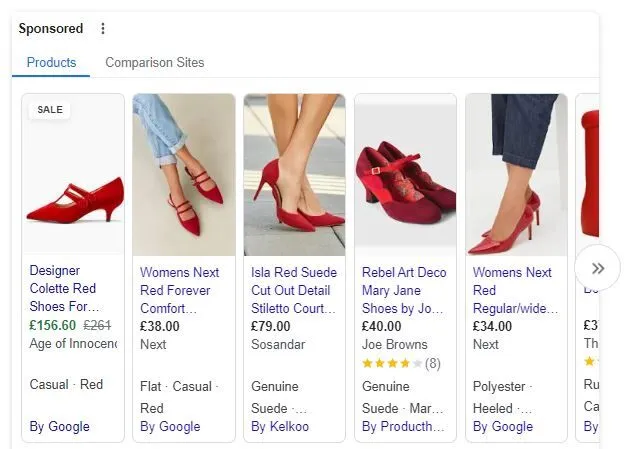
For eCommerce businesses, Google Shopping is an excellent alternative to traditional PPC ads. These ads appear as product listings with images, prices, and details, targeting users who are actively searching for specific items. Like PPC, Google Shopping operates on a cost-per-click model but often delivers higher conversion rates due to its focus on ready-to-buy customers. Google shopping also offers organic shopping results.
Email Marketing
Building an email database is a highly effective way to engage with potential customers. With an average return on investment of 38:1, email marketing is a powerful tool for startups. By collecting email addresses from interested users, you can nurture leads and build lasting customer relationships. Learn more about why email marketing is essential for startups.
Final Thoughts
PPC can be an effective tool for start-ups, but it’s not a one-size-fits-all solution. Carefully assess your market, budget, and overall readiness before investing in a PPC campaign. If PPC isn’t the right choice for your business at this stage, consider focusing on SEO, Google Shopping, or email marketing to drive traffic and build your online presence.
If you’d like to discuss your options or need guidance on the best strategy for your start-up, feel free to reach out. I’d be happy to help you navigate the digital marketing landscape.