
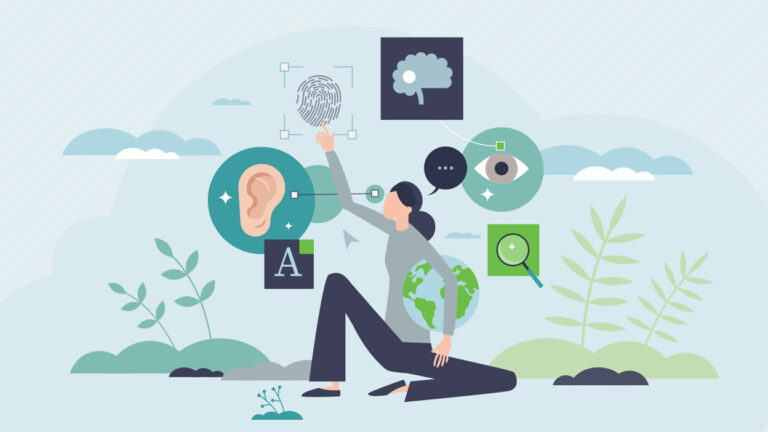
As more of our lives move online — from shopping and banking to learning and working — it’s crucial that websites are designed to be inclusive. Yet many digital spaces remain difficult or even impossible to use for people with disabilities. This article explores what web accessibility really means, why it’s essential for UK businesses in 2025, who it benefits, and how it can improve your site’s performance and visibility. We’ll also break down the latest data from the WebAIM Million report, highlight common pitfalls (like overly long pages), and offer actionable steps you can take to make your website more accessible and effective for all users.
What Is Web Accessibility
Web accessibility is about making sure websites, apps, and digital content are usable by everyone — including people with disabilities. This means designing content that works for users with visual, hearing, motor, or cognitive impairments, and ensuring compatibility with assistive technologies like screen readers or voice input.
But accessibility isn’t just about compliance. It’s about inclusion. A digitally accessible website creates a better experience for everyone — including users on mobile, in low-bandwidth areas, or with temporary impairments like a broken arm or eye strain.
Why Is It Important?
1. Legal Compliance
In the UK, the Equality Act 2010 mandates that businesses must not discriminate against individuals with disabilities. This includes providing accessible online services. Non-compliance can lead to legal repercussions and damage to brand reputation.
2. Ethical Responsibility
Ensuring digital inclusivity is a moral imperative. Everyone deserves equal access to information and services, and businesses have a role in making this a reality.
3. Commercial Advantage
The “Purple Pound”—the collective spending power of disabled households in the UK—is estimated at £274 billion annually. Failing to cater to this demographic means missing out on a significant market segment.
Who Does Web Accessibility Help?
In the UK, over 16 million people live with a disability — that’s around 24% of the population (ONS, 2021).
This includes:
- Over 2 million people living with sight loss
- 12 million + people with hearing loss
- 1.2 million wheelchair users
- Many with neurodivergent conditions like dyslexia, ADHD or autism
Globally, around 1.3 billion people live with significant disabilities — that’s roughly 1 in 6 of us (WHO).
Making your website accessible means creating digital spaces where all users can interact, transact, and navigate with ease — and that makes good business sense.
Improving your accessibility also aids those people without disabilities which leads to improved conversion rate.
Why Accessibility Helps with SEO
Accessible websites often perform better in search engines because accessibility and SEO share many of the same foundations:
- Semantic HTML: Clear structure and use of headings, landmarks, and labels help both assistive tech and search crawlers.
- Alt text for images: Vital for screen readers and provides extra context for image indexing.
- Descriptive links and headings: Easier for users to scan and improves on-page SEO.
- Faster load times and mobile responsiveness: Core factors in both accessibility and Google rankings.
Essentially, accessible design makes your site clearer and easier to understand — for users and algorithms.
Summary of the WebAIM Million 2025 Report
The WebAIM Million report (2025 edition) analyses the homepages of the top one million websites to track digital accessibility trends.
Key findings from this year’s report include:
- 56.8 accessibility errors per homepage on average — a 13.6% increase from 2023.
- Only 29.1% of homepages had fewer than 10 detected errors.
- The most common issues were:
- Low contrast text (83.6%)
- Missing image alt text (58.2%)
- Empty links (50.1%)
- Missing form labels
- Improper use of headings
These are basic, fixable errors — yet they continue to prevent millions from accessing web content independently.
Best and Worst Performing Categories
Some sectors fared better than others. The report found:
- Higher accessibility among websites from government, education, and large non-profits, likely due to regulations and accountability.
- Lowest performance came from ecommerce, small business, and media sites — particularly in areas like contrast, structure, and navigability.
This presents both a challenge and an opportunity. Brands that invest in accessibility can stand out — especially in sectors where it’s still overlooked.
The Problem with Long Pages
A notable trend in this year’s report was the rise in very long pages — think infinite scroll, oversized homepages, or single-page applications with multiple content sections.
While these designs may look sleek, they can create real issues for users:
- Keyboard-only navigation becomes tedious
- Screen reader users lose context
- Important sections may be hidden or hard to find
If your homepage takes 5+ minutes to scroll, it’s worth rethinking your structure — especially if accessibility is a goal.
What Can UK Businesses Do to Improve Accessibility?
Improving your website’s accessibility doesn’t require a full redesign. Start with these practical steps:
- Run an audit – Use tools like WAVE, Siteimprove, or Google Lighthouse to identify issues.
- Use semantic HTML – Headings (<h1> to <h6>), lists, landmarks and labels help all users navigate.
- Add alt text to images – Descriptive alt attributes make images understandable to screen readers.
- Ensure good colour contrast – Use tools like WebAIM’s contrast checker to stay compliant.
- Label form fields properly – Especially important for contact and checkout forms.
- Test with keyboard navigation – Make sure users can move through your site without a mouse.
- Add captions and transcripts – For video, audio, and live content.
- Create a clear hierarchy – Logical page structure helps all users scan and find information.
- Write in plain English – Jargon-free content benefits everyone, especially users with cognitive impairments.
- Include an accessibility statement – Let users know what you’ve done, and how they can contact you if something isn’t accessible.
Final Thoughts
Accessibility isn’t just a tick-box exercise — it’s about creating a more inclusive web for all.
In the UK, where digital exclusion affects millions, it’s also a matter of equality, trust, and reputation. By improving your website’s accessibility, you’ll not only reach more users but also boost your SEO, futureproof your site against legal risk, and show that your brand cares about all of its audience.